Historical Village
At the historical village, visitors can tour two houses: the Moquin house, dating from 1905, and the Perron house. This second residence was built using axe-hewn wooden beams between 1865 and 1870.
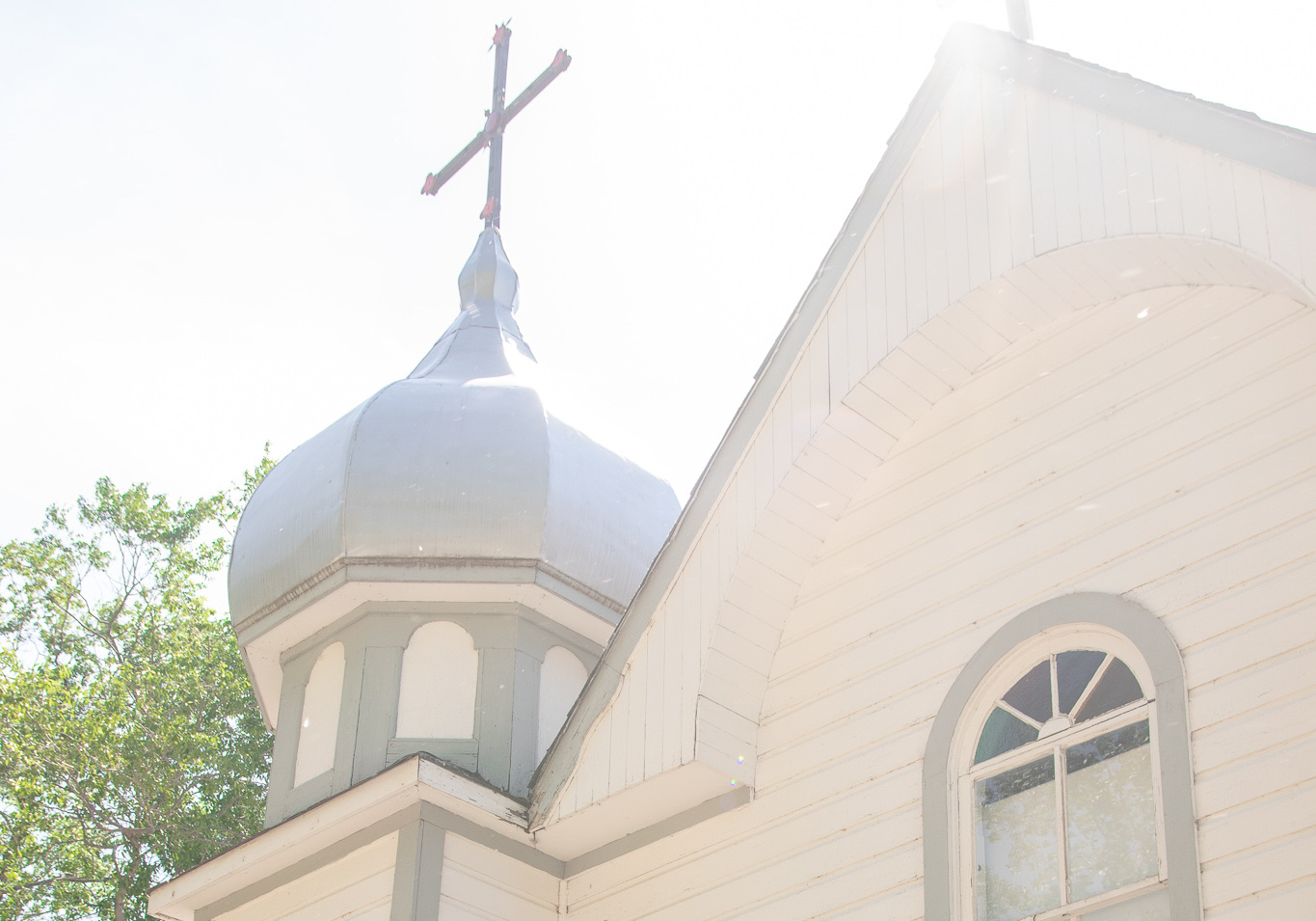
Plankey Plains Church
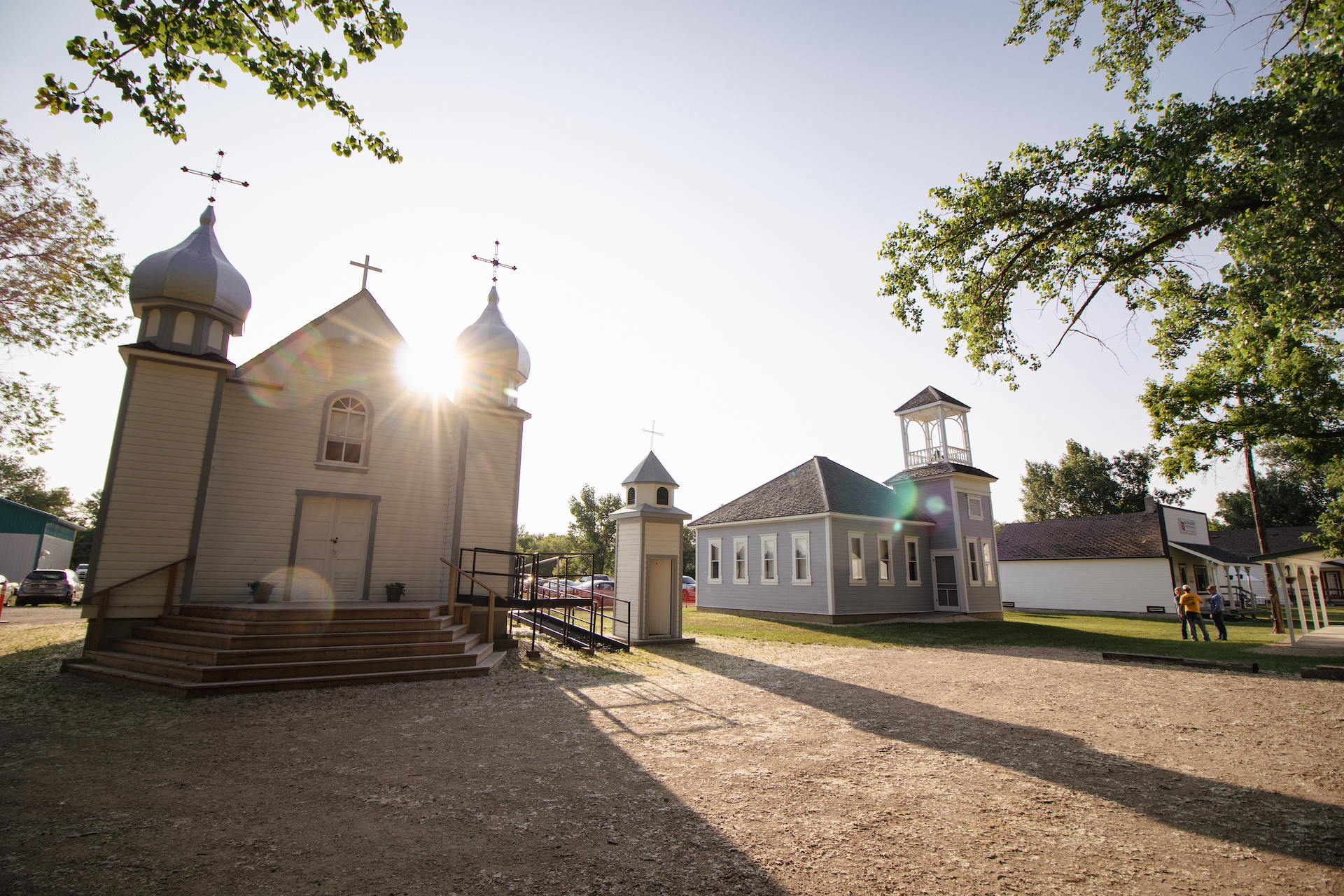
Built in 1938, the church is representative of its era. Of Ukrainian Orthodox origin, this church still retains its original paintwork and several original artefacts.
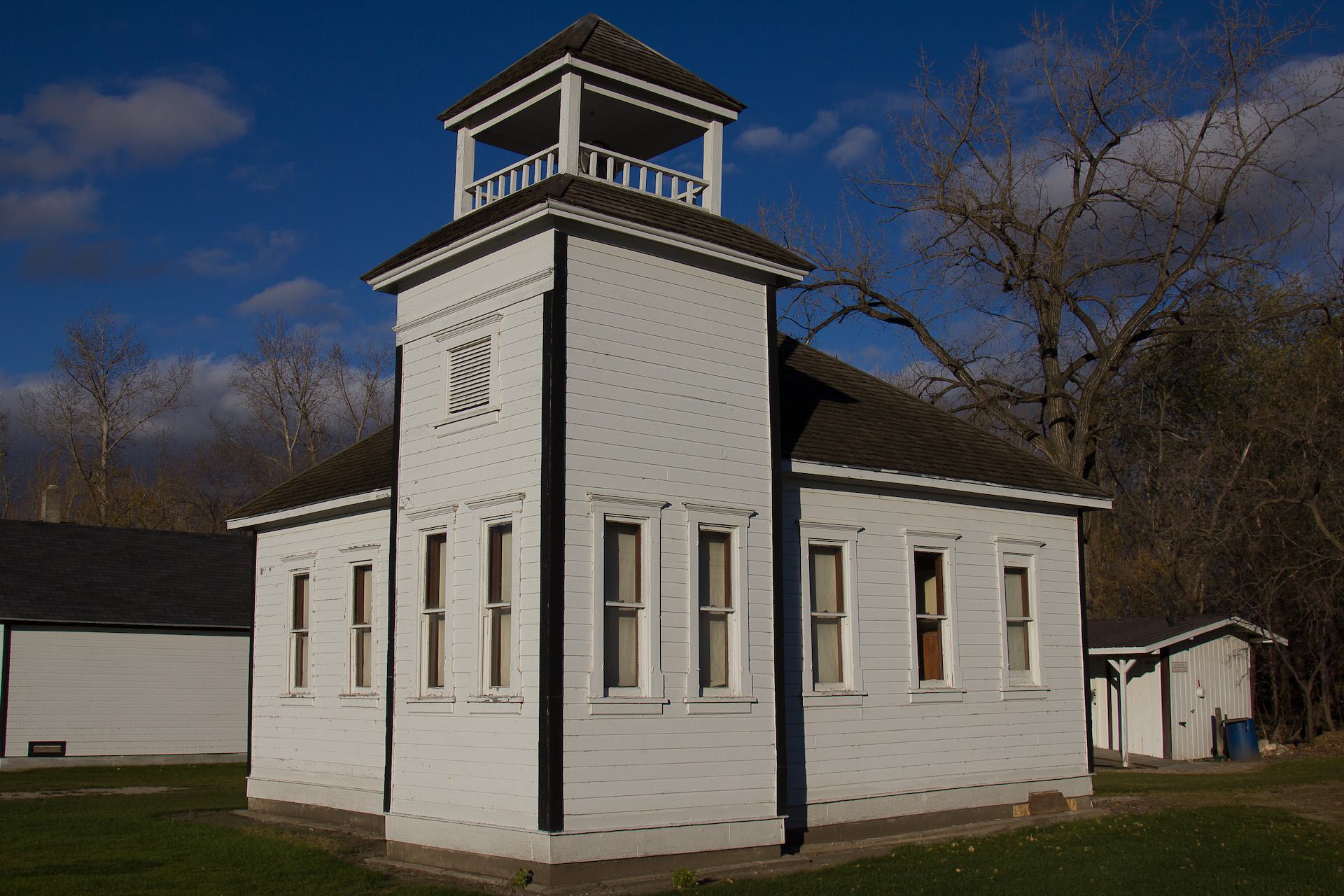
Union Point School
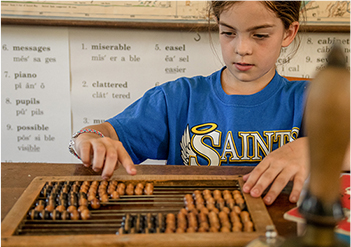
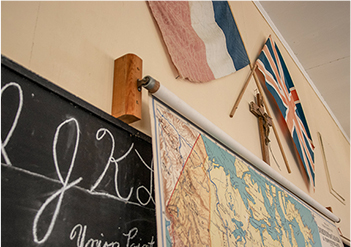
Built around 1890, but in operation since 1878, this school was a site of advocacy for French-language education rights by Francophones in Manitoba. The school artefacts found here date from the 1940s and 1950s.
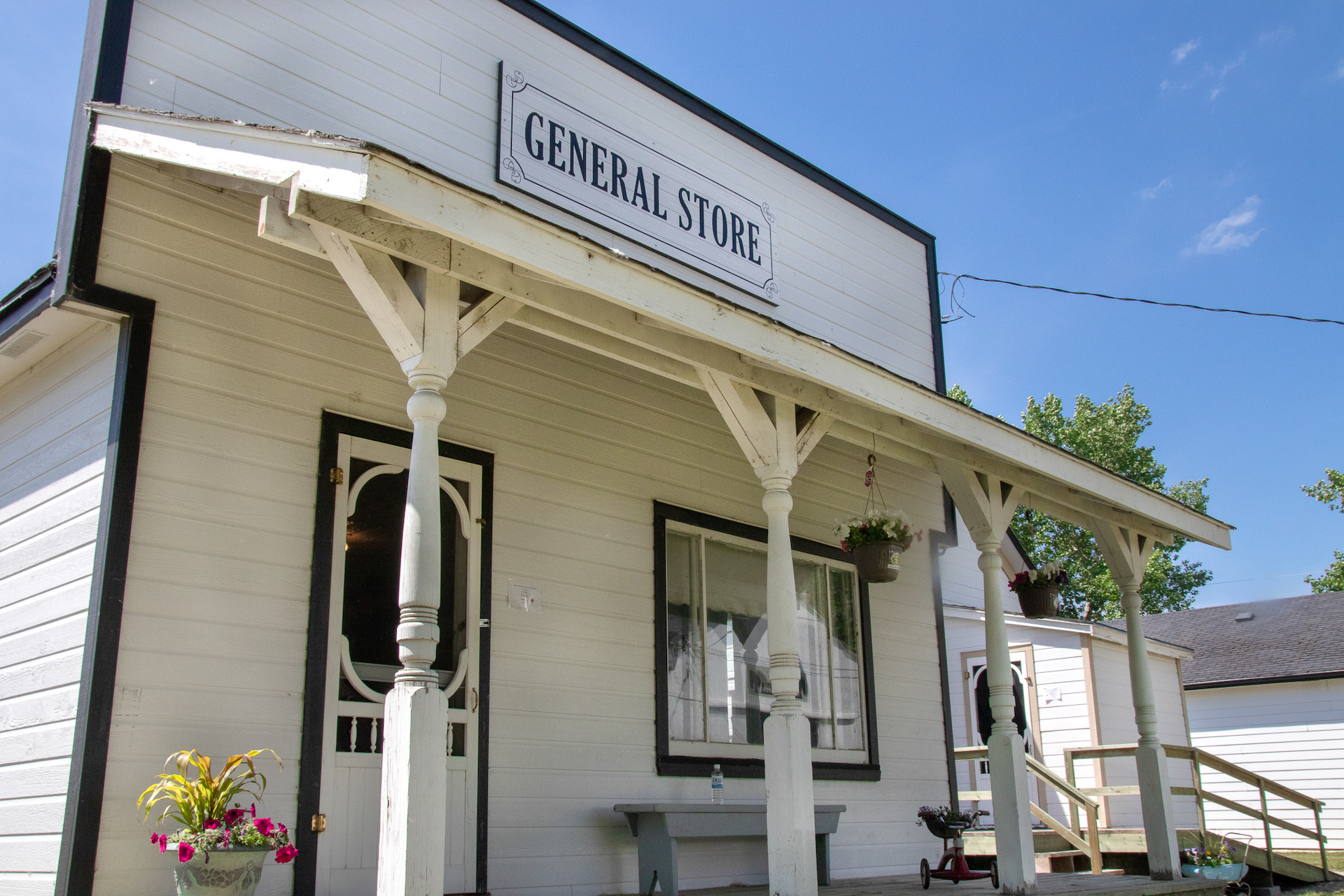
“Berard” General Store
The 1940s general store contains a hardware section, a butcher's shop, and a post office. It was rebuilt on-site using original and recycled materials.
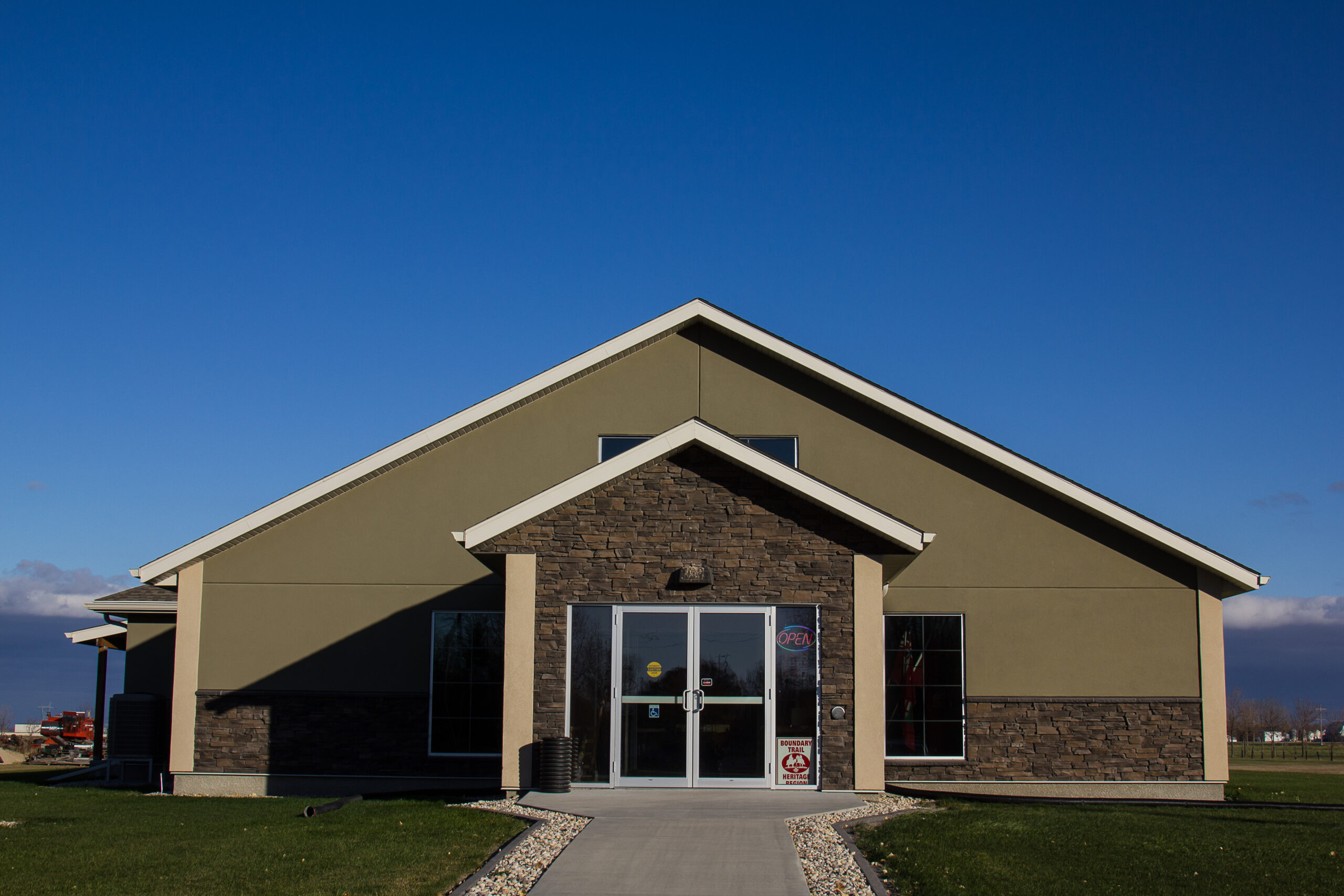
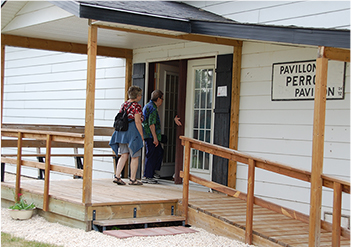
Perron Pavilion
The Perron Pavilion consists of twenty rooms focusing on various themes, including the kitchen, dining room, bedroom, sport, health, music, religious practice, laundry, and sewing. There is also a room dedicated to artefacts from the Eaton’s department store.
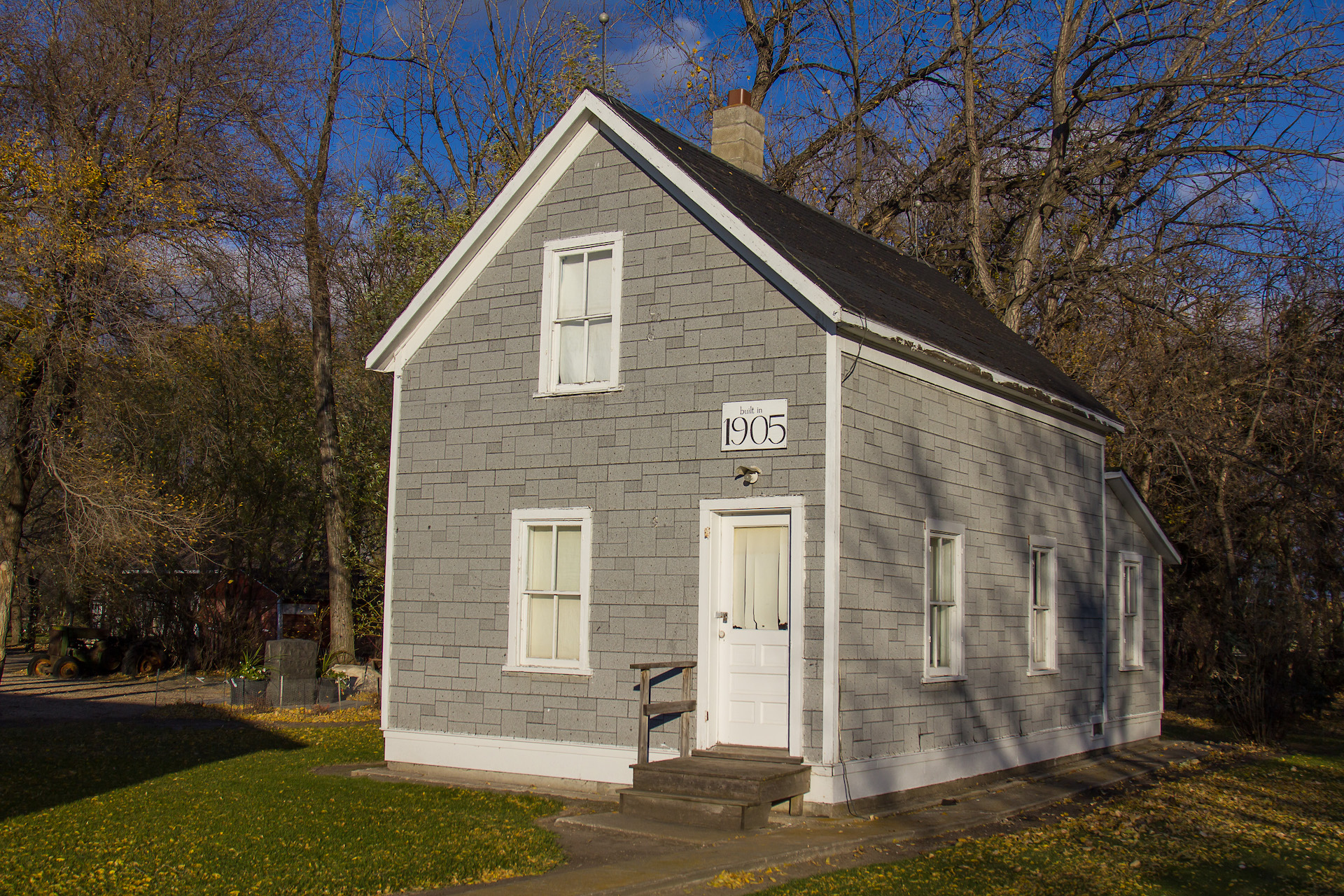
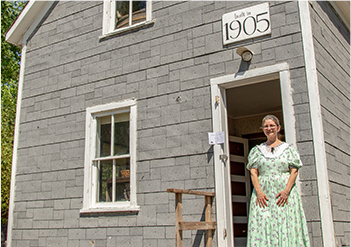
Moquin House
This house was built in 1904 by the Dionne family for their hired farmhand. It was moved three times before finally arriving at the Musée Saint-Joseph. The last family to live in the house was that of Mr Isodore Moquin.
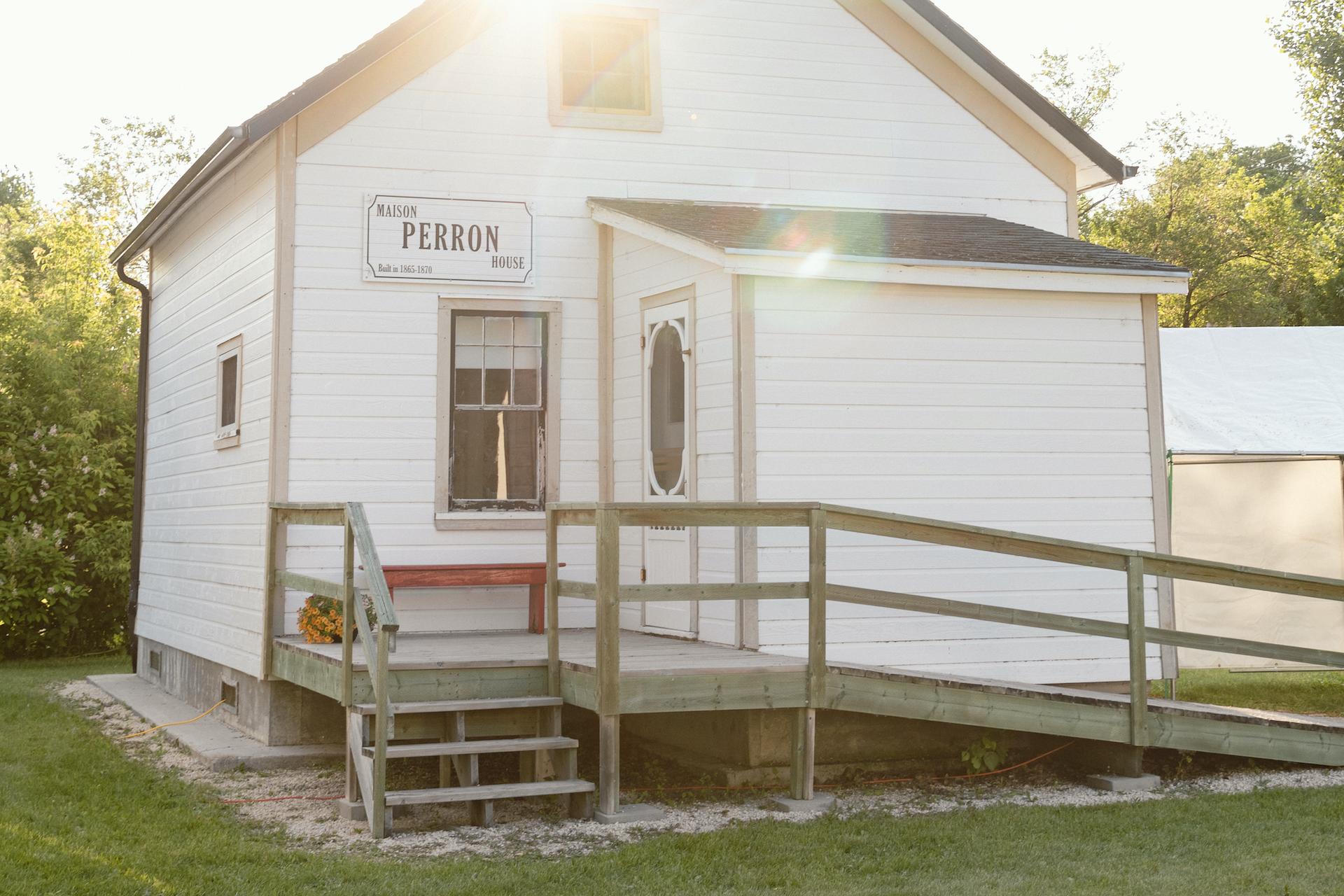
Perron House
Before the Perron family took possession of this squared white oak house, it had a controversial history where the Crown had taken possession of it to resell it twice in less than 5 years. The origin of the house, built around 1840, is unknown, but it is possibly Métis. Onésime Leblanc and Adolphe Turner were the last to purchase this house from the Crown before the Perron family.
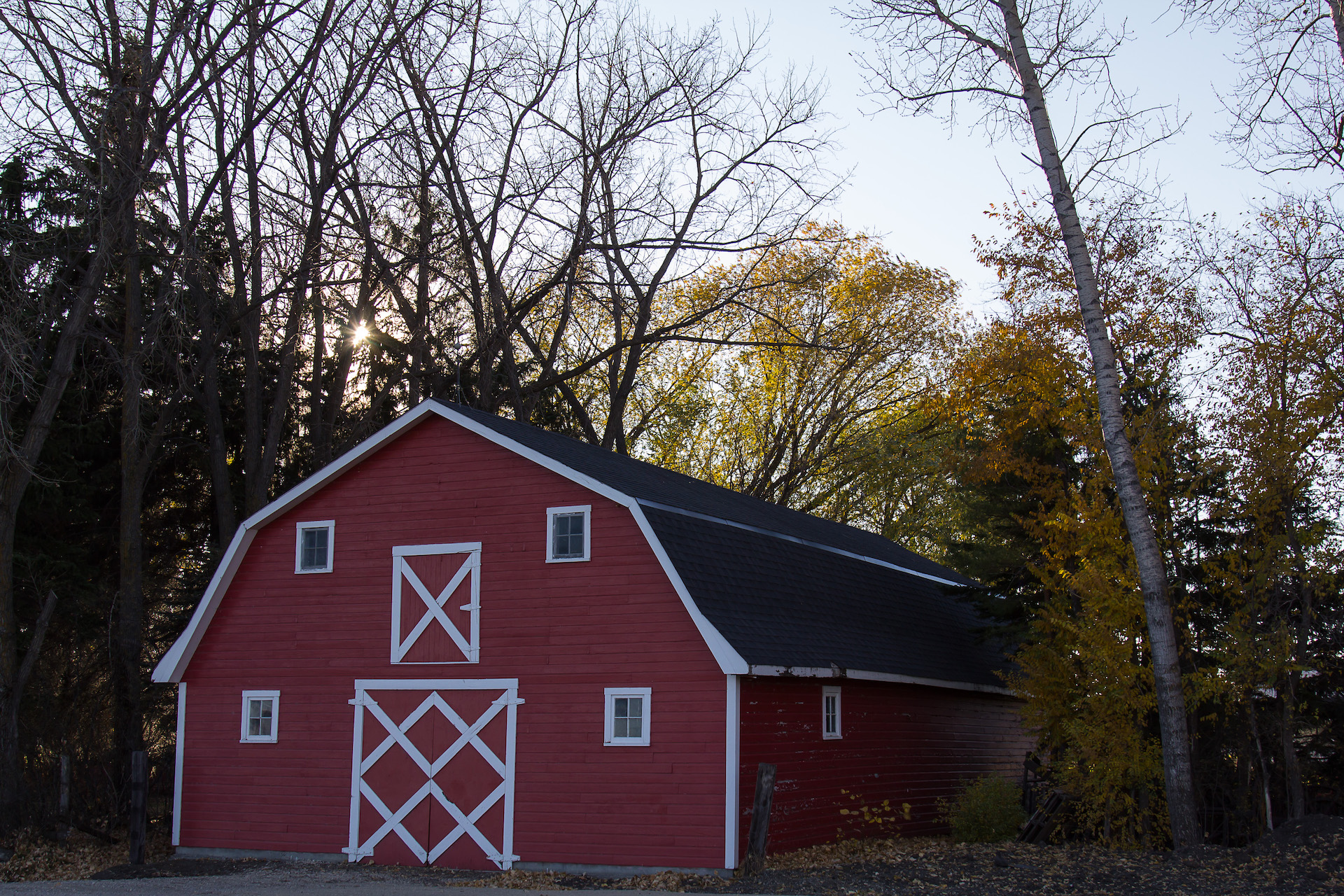
Dairy Warehouse
The dairy warehouse contains artefacts related to the dairy industry of small family farms of the past.
Bridge Pavilion
The Bridge Pavilion, named to commemorate the St-Jean Baptiste bridge, is a gathering place featuring a mural of the bridge. This space is available for activities during museum visits or can be rented for your events.