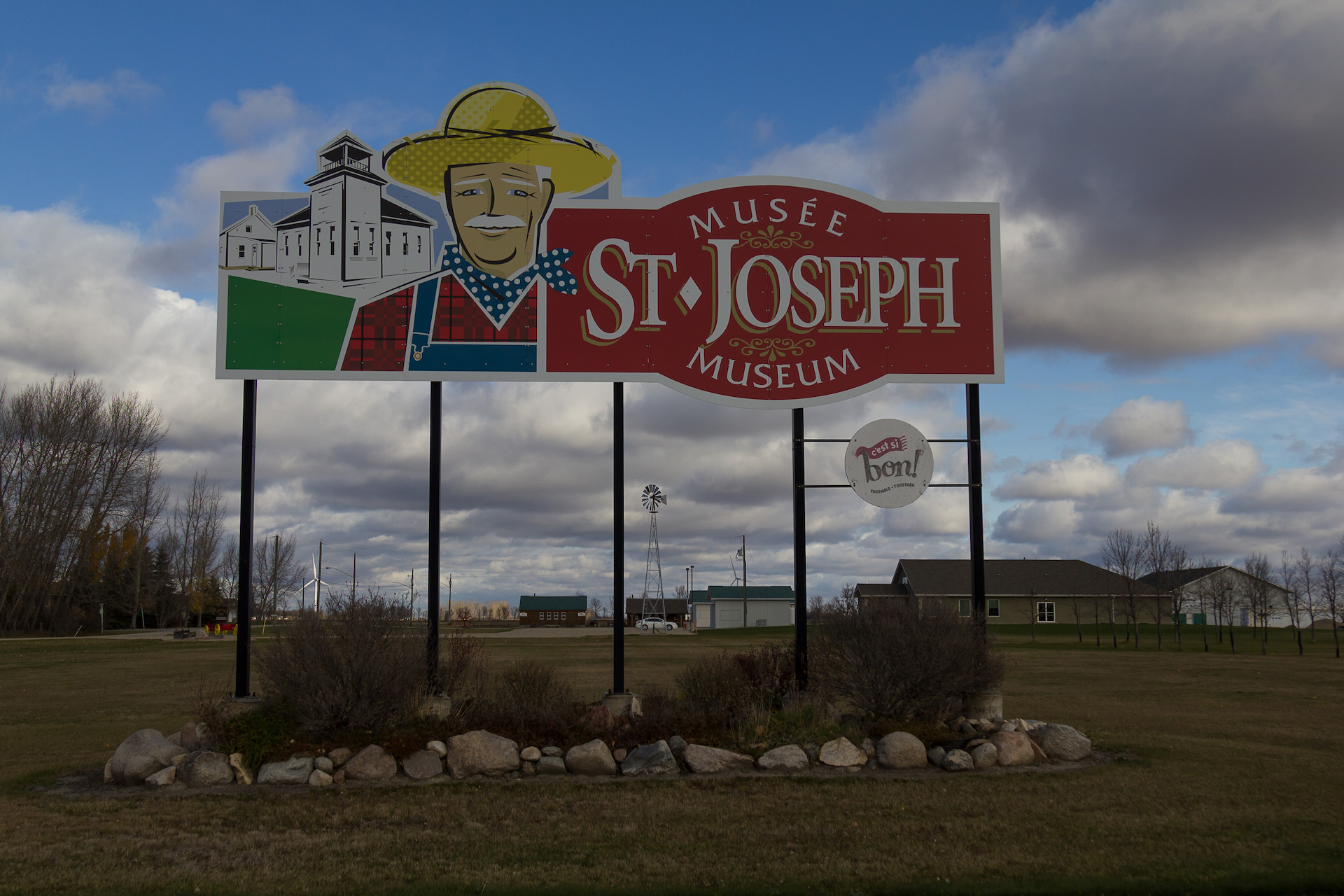
The St-Joseph Museum:
Preserving the heritage of the Red River Valley
The St-Joseph Museum was established to preserve the history and culture of the Red River Valley and the Rural Municipality of Montcalm. The Municipality of Montcalm is a Francophone region comprising the villages of Saint-Joseph, Saint-Jean-Baptiste, and Letellier, with a population of approximately 1,300 residents.
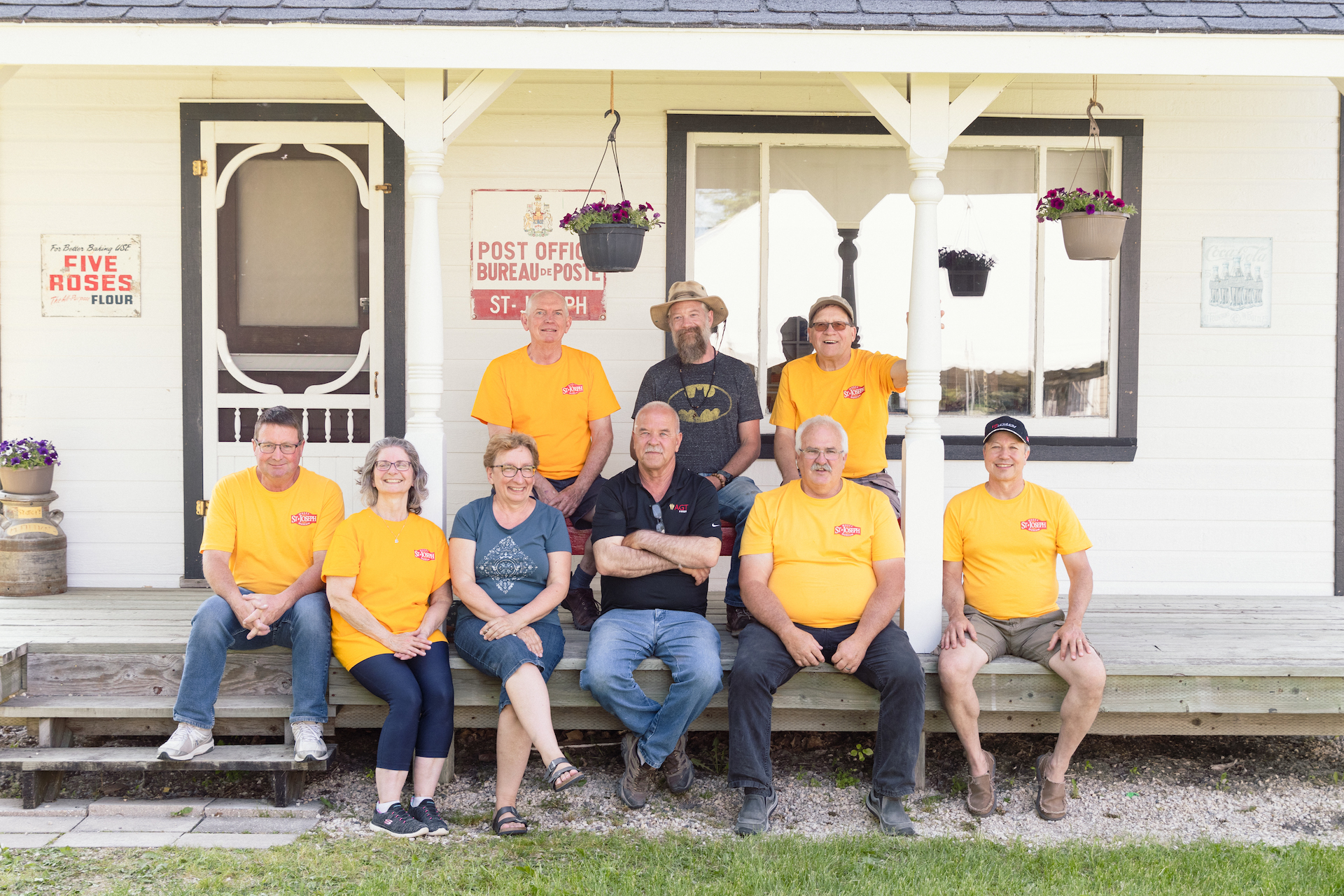
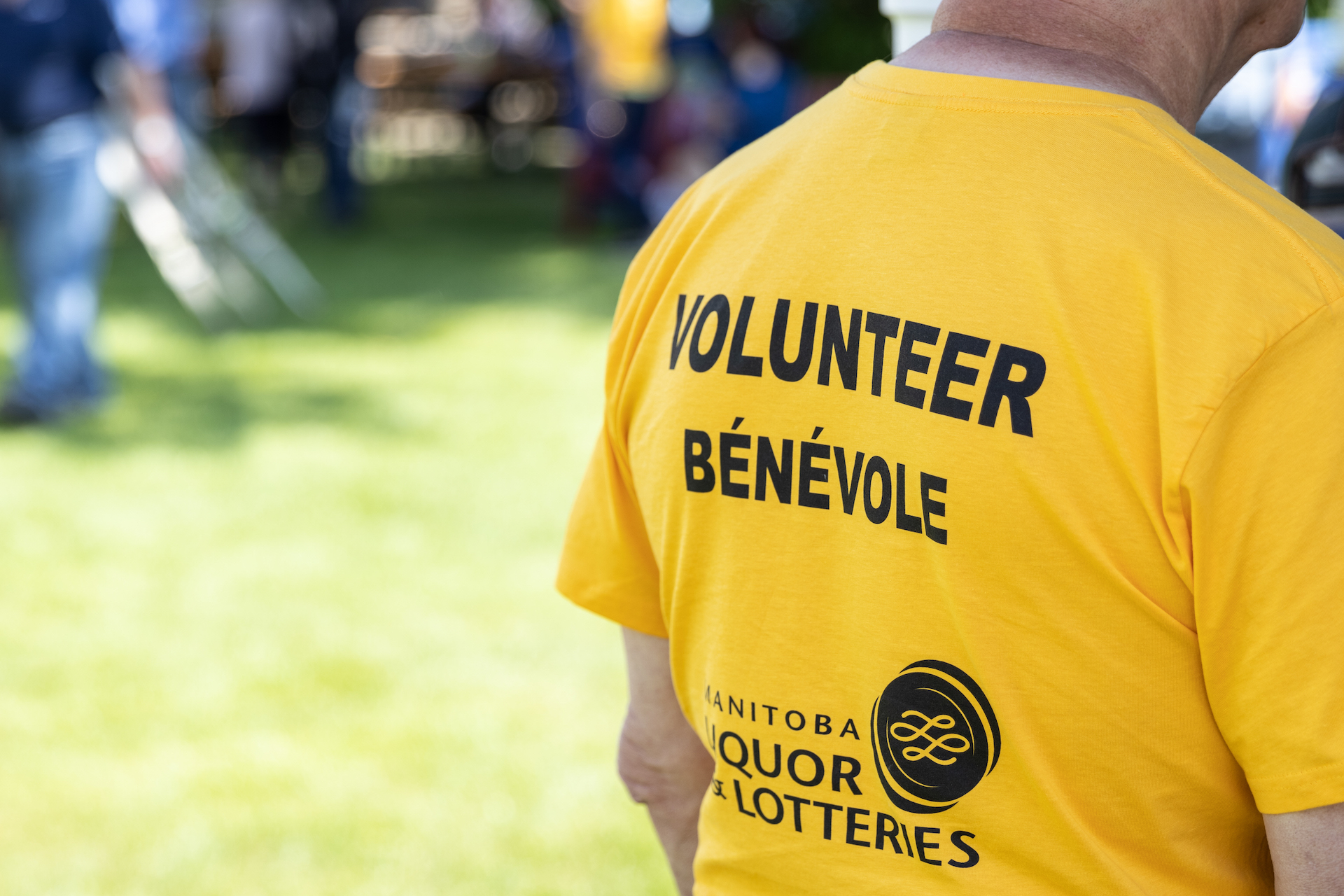
Volunteering ensures the survival of the St-Joseph Museum! Sign Up
Origins of the Collection
The museum's origins trace back to the private collection of Jean-Louis and Marie-Laure (née Delorme) Perron. Married in 1946, the Perrons began collecting artefacts related to the Métis and Francophone communities of the Red River Valley. As their family grew, so did their collection, eventually overflowing their home's storage. Family members fondly recall even storing artefacts under their beds. Over time, their collection expanded to include not only artefacts but also significant historical buildings.
Incorporation and Official Opening
The St-Joseph Museum was officially incorporated in February 1975 and opened its doors to the public on 16 July 1977, during St-Joseph's centenary celebrations.
Mission and Mandate
To preserve, exhibit, and narrate the history of the livelihoods of the Red River Valley inhabitants, and the Franco-Métis and Francophone communities of Manitoba.
Public programming is a crucial aspect of the museum's mission. The Board of Directors invites the local community to organise activities on the museum grounds, provided these events do not compromise the collection or the museum's integrity.
To create, promote, and inspire learning through shared immersive historical and cultural experiences
Vision
To become the historical centre of the Red River Valley, and the Franco-Métis and Francophone communities of Manitoba.
"Ensuring a future for our past."
Museum Grounds and Facilities
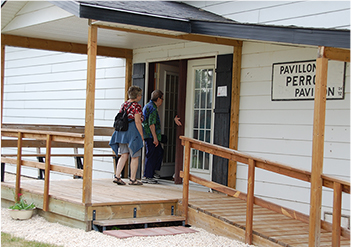
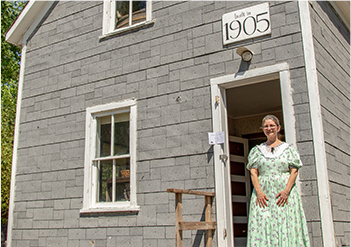
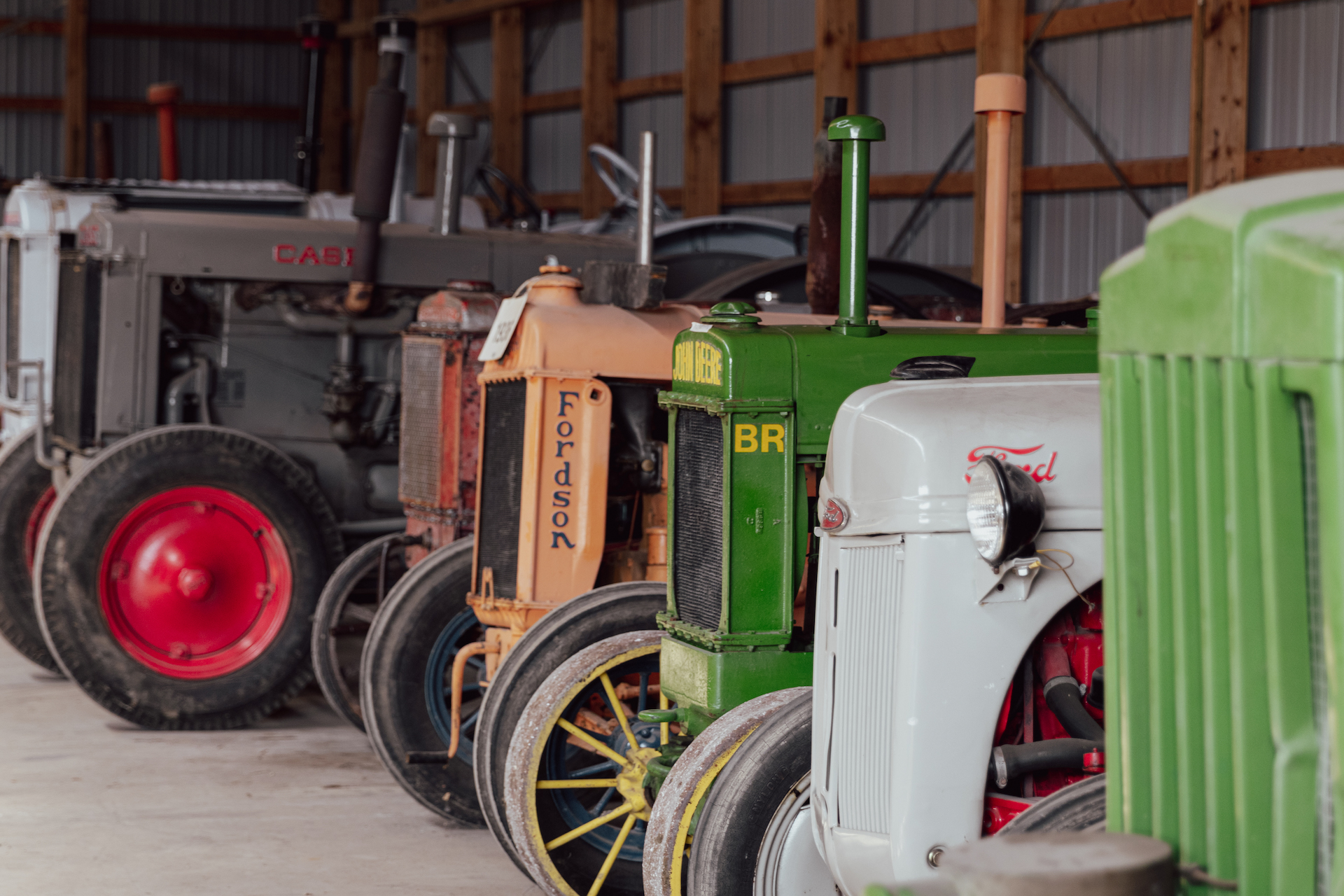
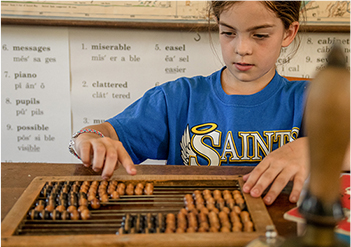
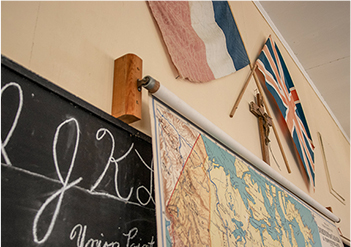
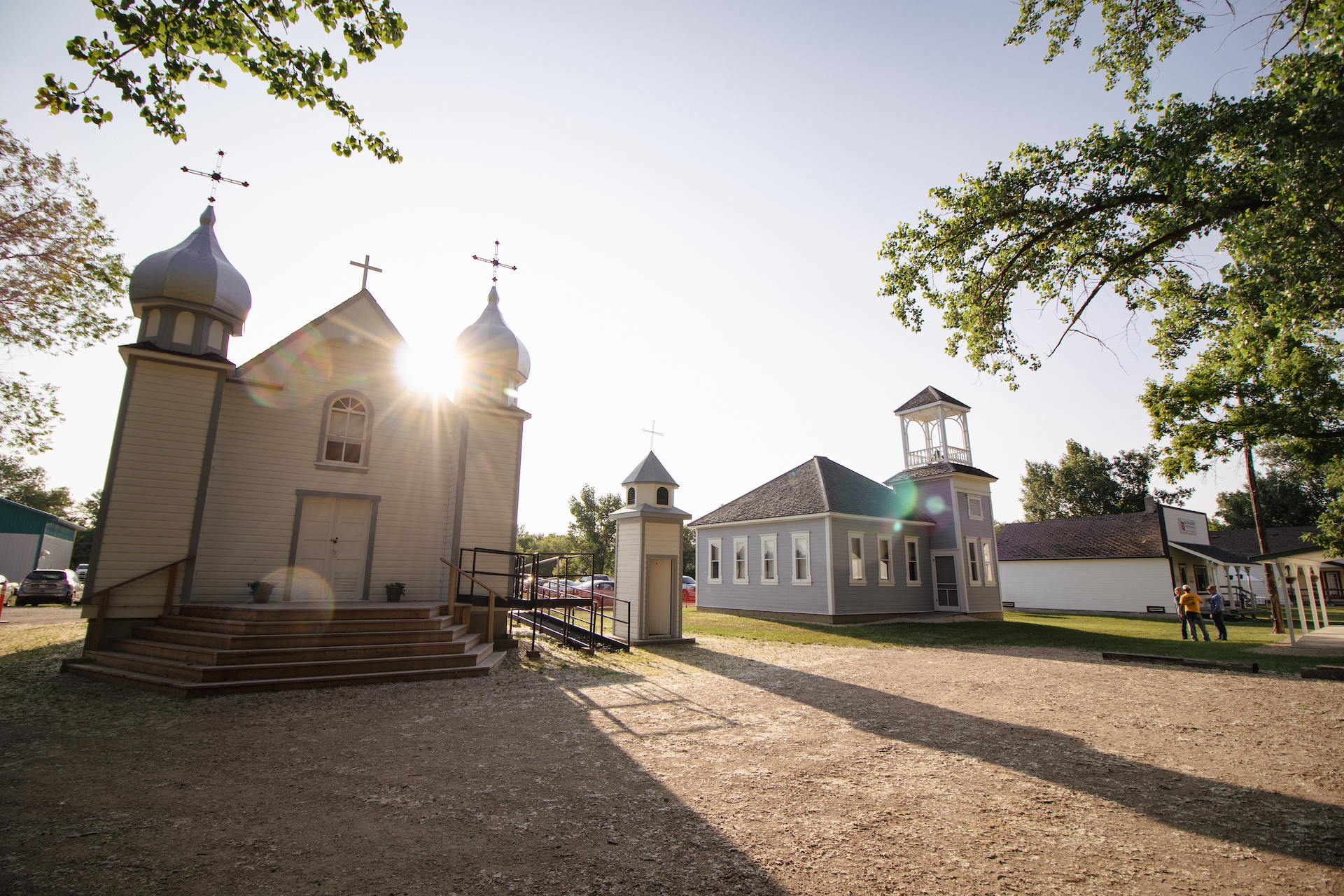
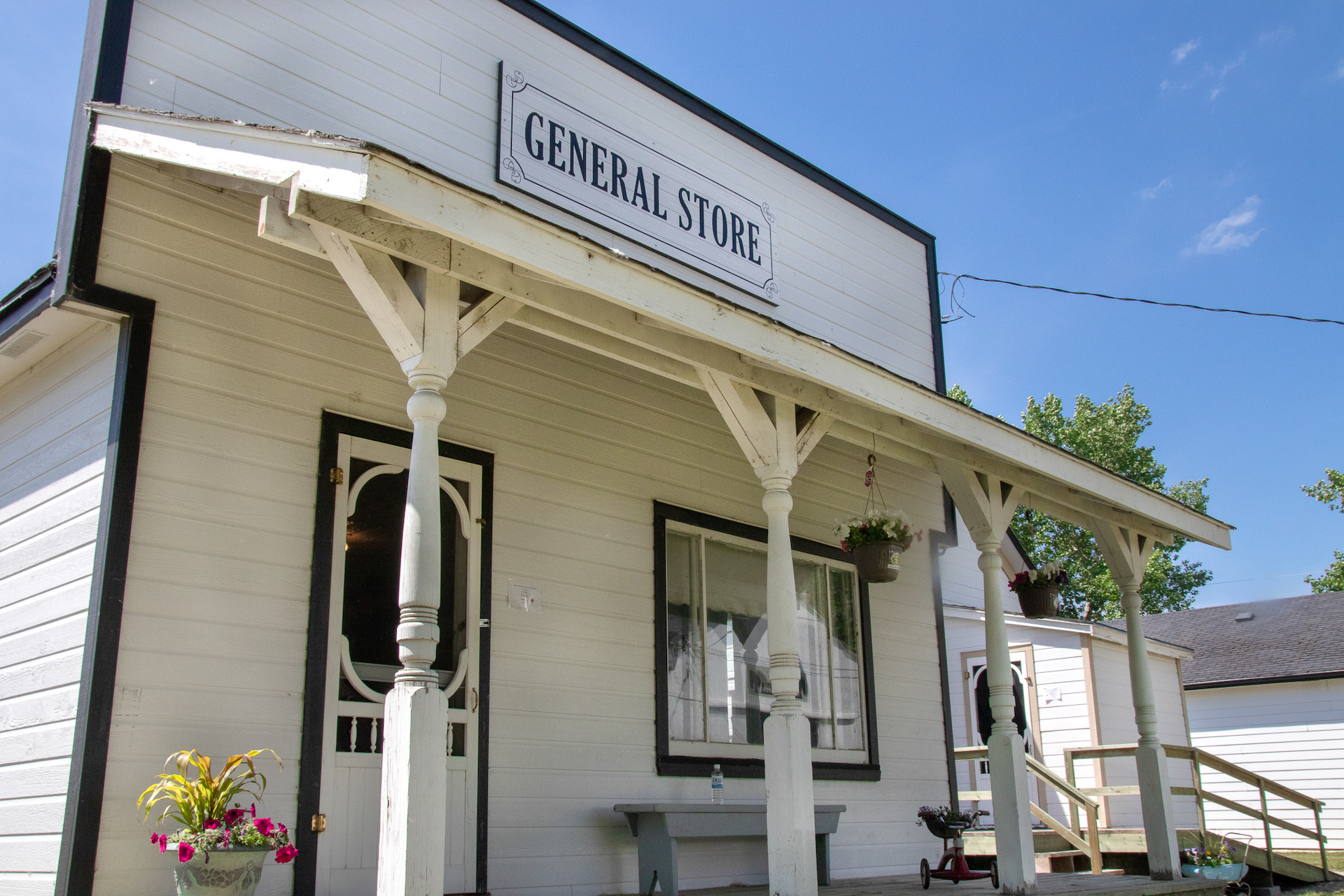
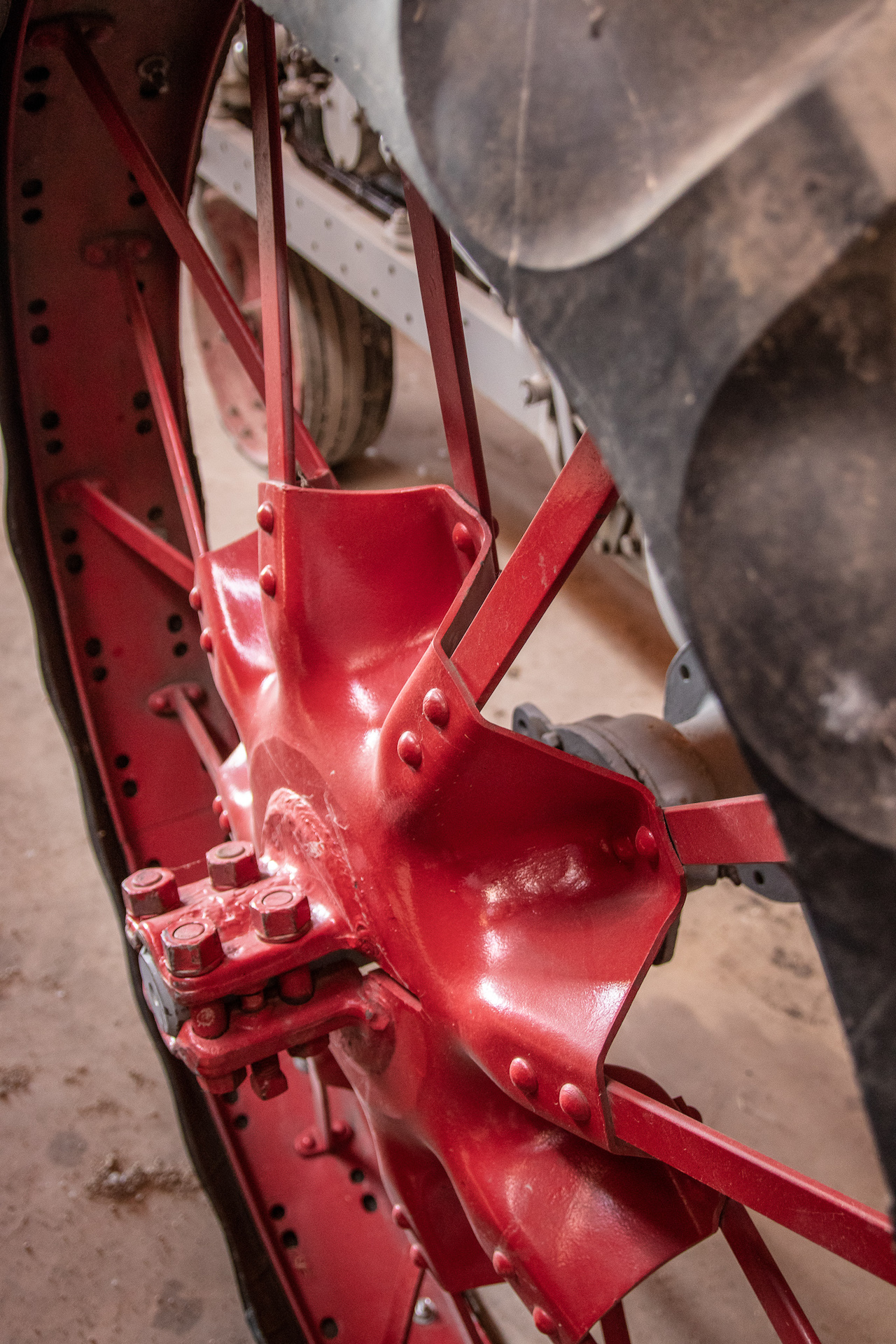
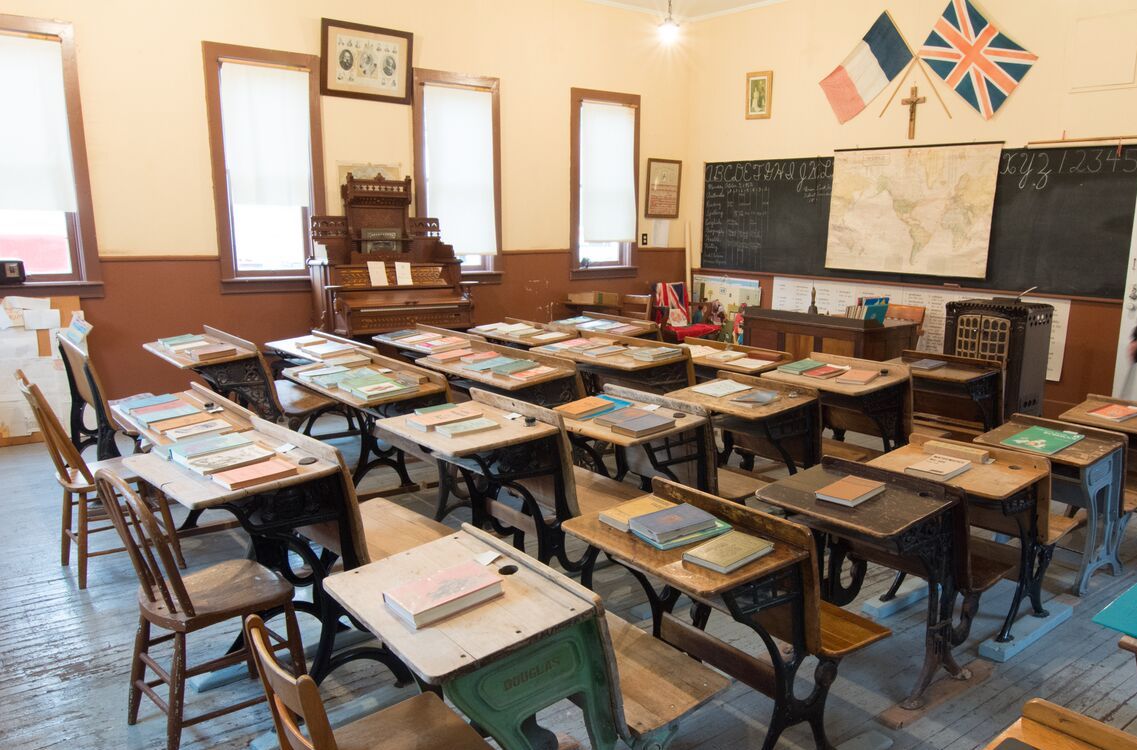
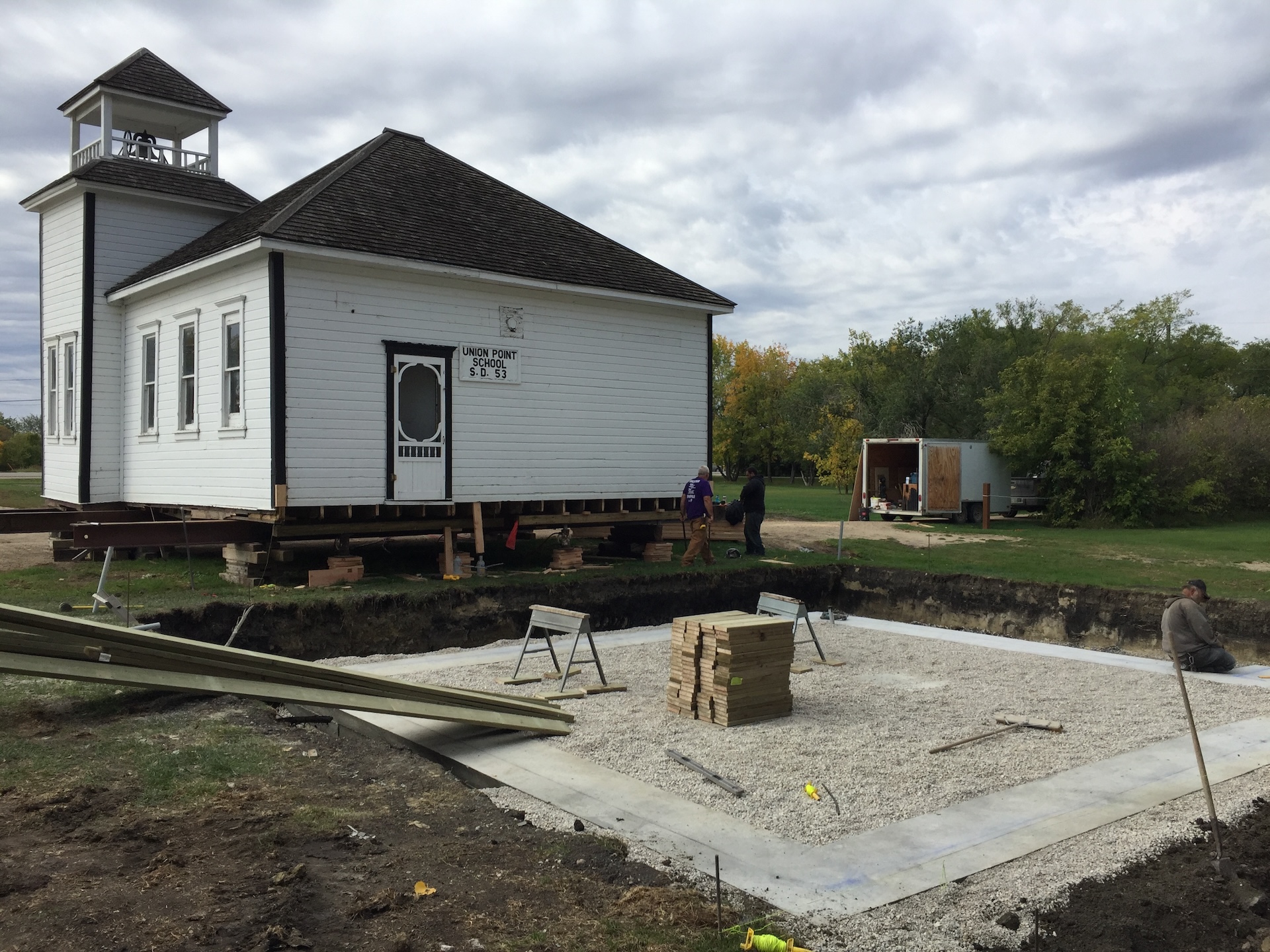
Situated on a 19-acre site, the museum features 24 buildings, including two century-old houses (the Perron and Moquin homes), the Plankey Plains Church, the Union Point School, and the St-Joseph Cheese Factory dairy. Additionally, the grounds include faithfully reproduced buildings such as a general store, a blacksmith's shop, a shoemaker's workshop, a carpentry workshop, and a barn. Some of the larger structures house agricultural machinery, tools, an extensive collection of steam engines, and one building is entirely dedicated to Manitoba's sugar beet industry, featuring historical production data exhibits.
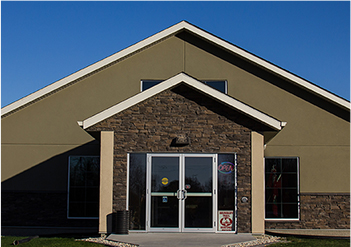
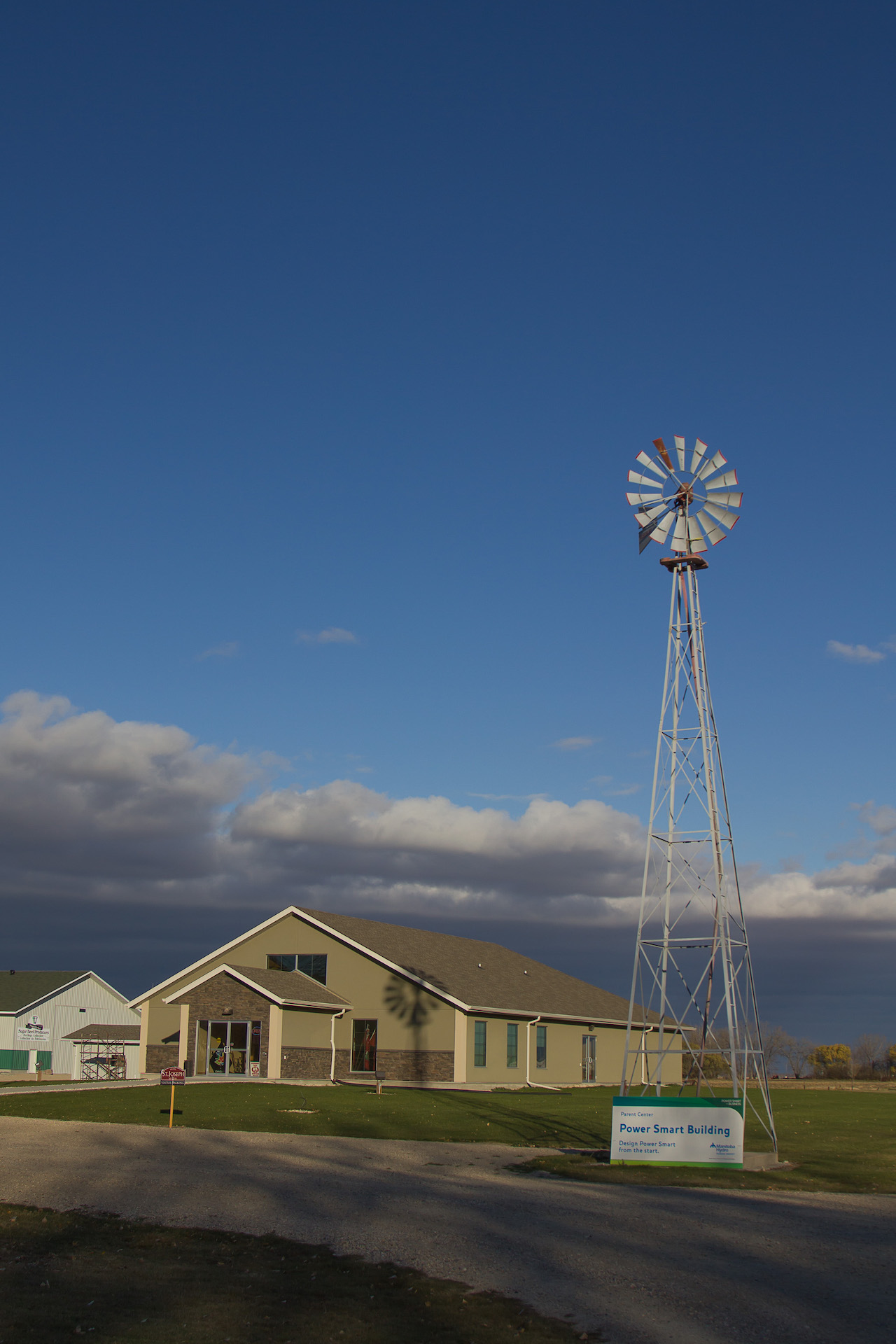
The visitor centre, built in 2012, offers regional history exhibits, a vast camera collection, a gift shop, administrative offices, and conservation facilities. The latest addition to the museum is the Bridge Pavilion, which serves as a gathering place for various functions.
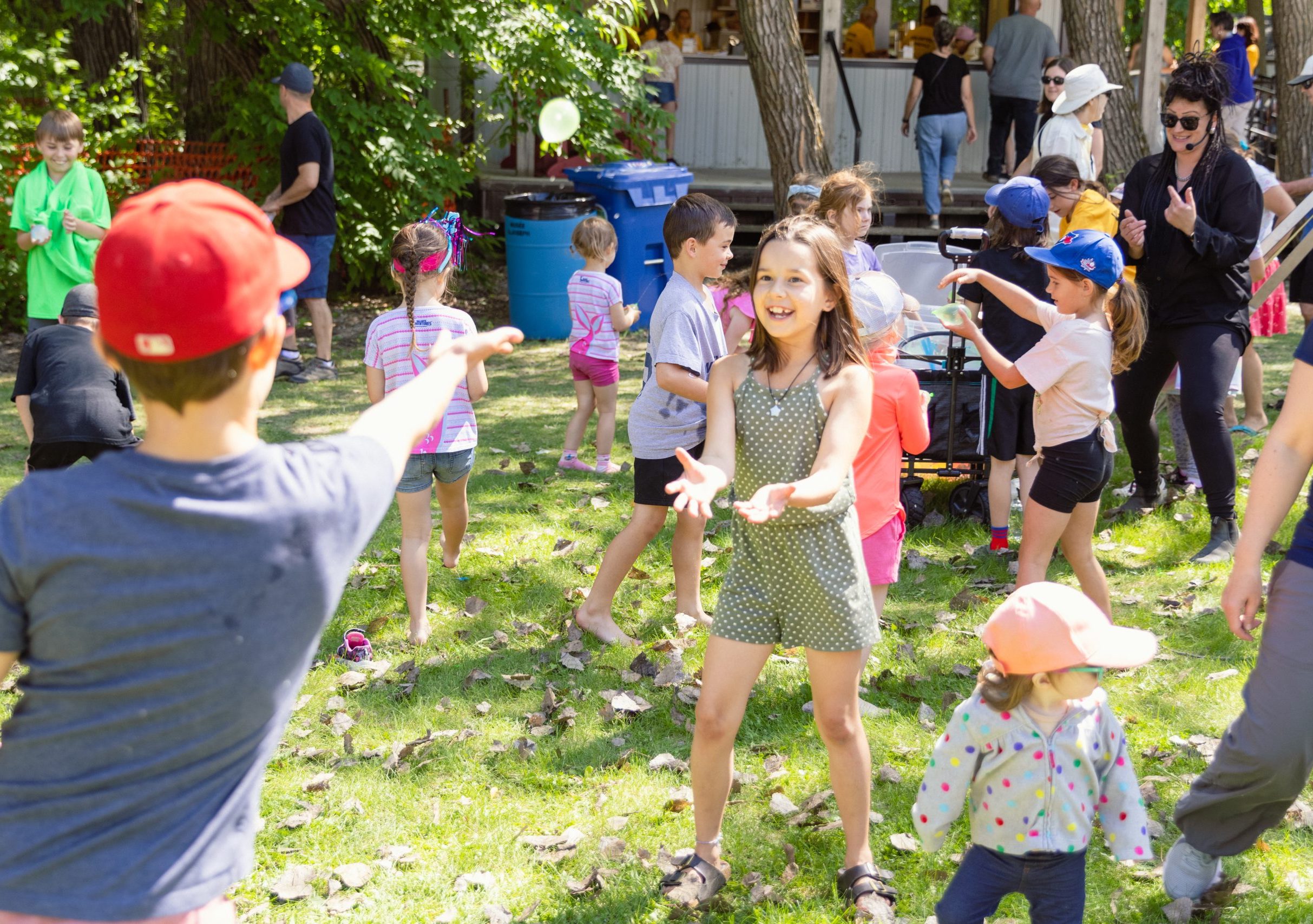
Community Events and Visitor Services
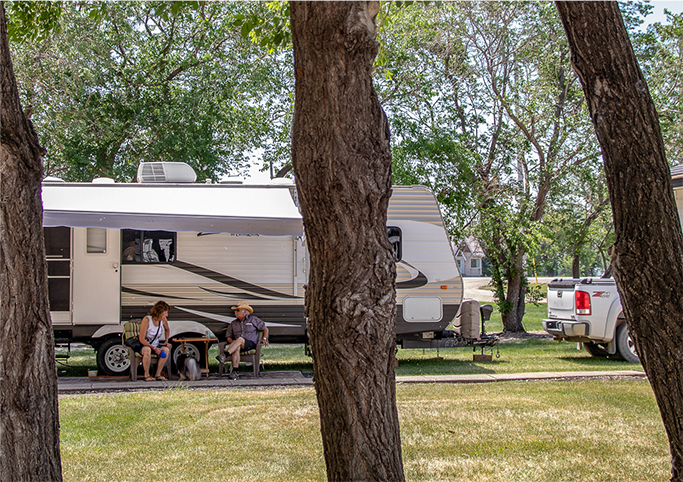
The museum grounds annually host the Montcalm Heritage Festival and are available for hire for private events. A canteen equipped with a professional kitchen allows for meal preparation. Visitors can also enjoy a sixteen-pitch campsite with 30 and 50 amp electrical hook-ups for recreational vehicles.